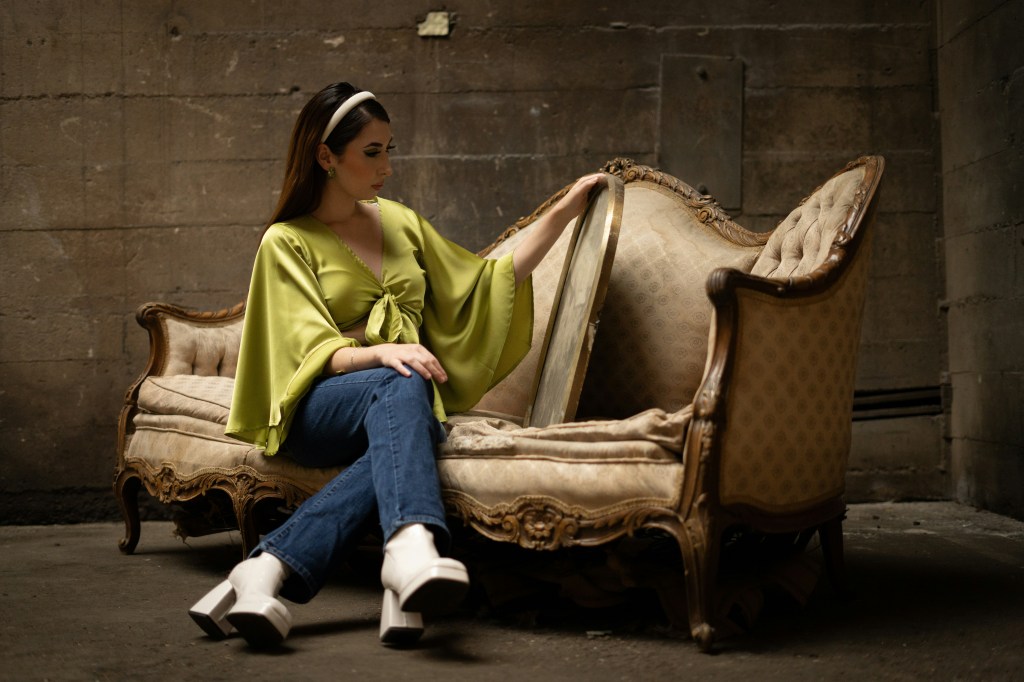
From Minimalism to Dopamine Dressing, Clothes Tell the Story of Crisis
Fashion has always been a mirror, reflecting the mood, the moment, and the money. And when the economy takes a hit, our wardrobes feel it.
2008: The Crash and the Rise of Minimalism
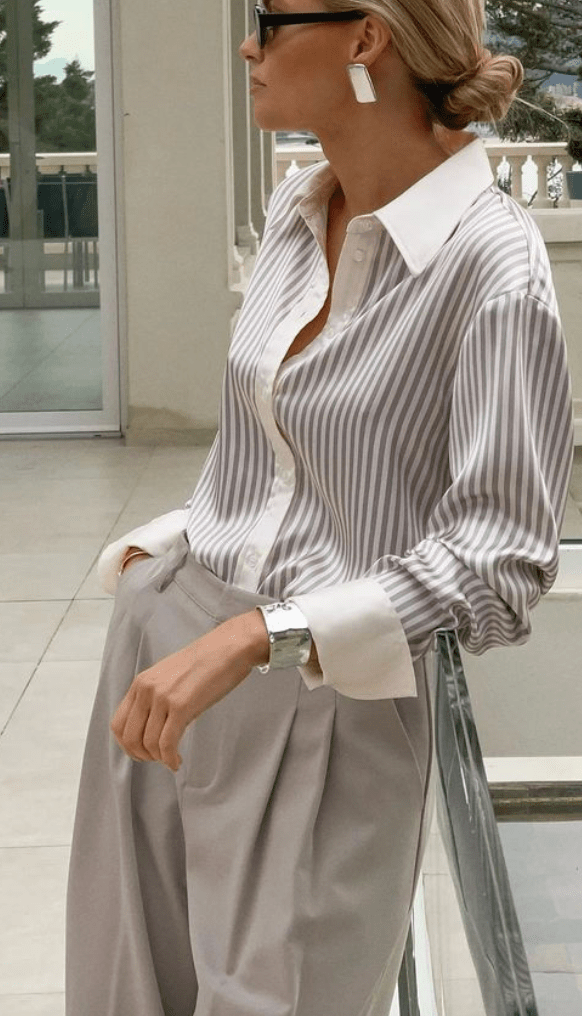
In 2008, the message was clear: less is more. Clean lines, no logos, nothing flashy. When Phoebe Philo stepped into Celine and debuted her Spring 2010 collection, it was a quiet revolution. Subtle silhouettes, subdued palettes, and wearable luxury defined the look. It wasn’t just beautiful—it was timely. A response to the crash and a rejection of early 2000s excess.
Consumers pulled back. A 2010 Bain & Company report noted a steep drop in luxury spending, with shoppers opting for what they called “investment dressing.” It wasn’t about buying less. It was about buying smarter. Thoughtfully. Wardrobes shifted to basics that lasted longer and spoke softer.
2020: The Pandemic and Dopamine Dressing
Then came the pandemic. The world shut down. Sweatpants took over. But when we finally left the house, we didn’t want subtle—we wanted joy.
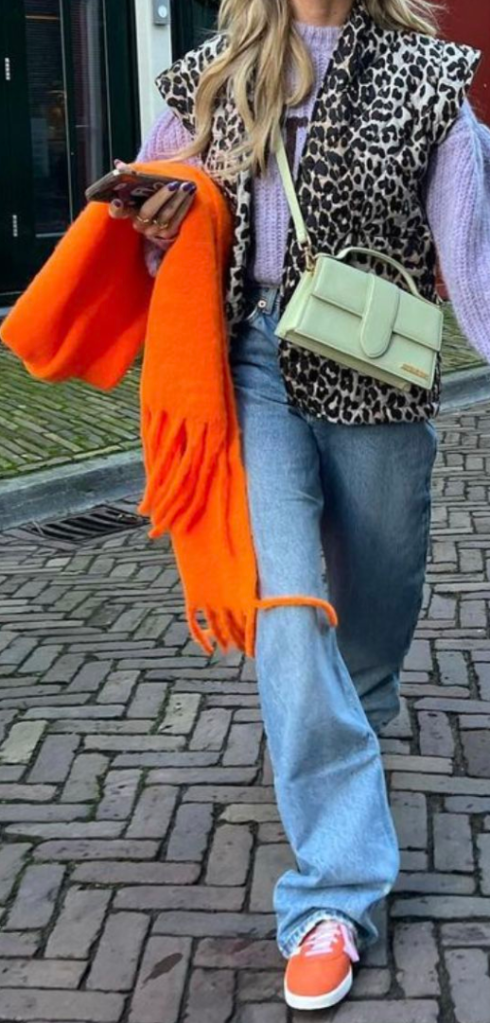
Enter dopamine dressing. Bright colors, bold patterns, big feelings. Valentino’s Spring 2022 collection under Pierpaolo Piccioli exploded in shades of fuchsia and electric green. Christopher John Rogers played with exaggerated shapes and saturated palettes. Fashion became emotional armor. After months of monotony and fear, a highlighter-yellow dress didn’t feel loud—it felt alive.
A 2022 McKinsey report confirmed the trend. Consumers were seeking emotional connection through clothing more than ever before. In a time when everything felt uncertain, style became one thing we could still control.
Before 2000: Crisis and Creativity
This cycle of restraint and rebellion during economic turmoil isn’t new. Fashion has long reflected how society copes with hardship.
1930s: The Great Depression
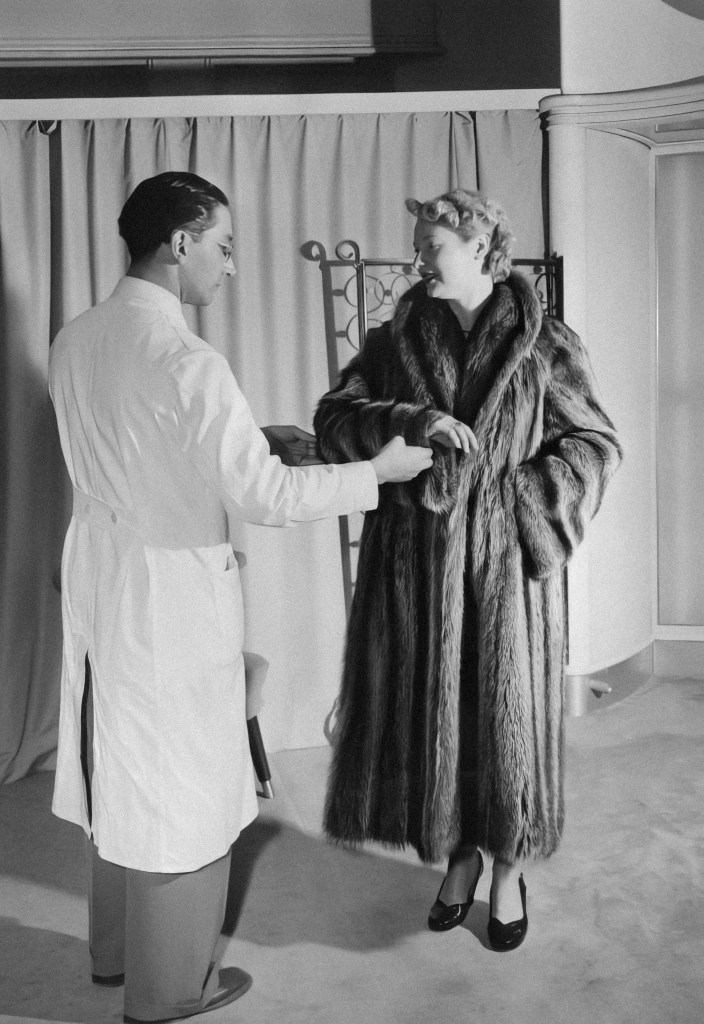
Even in economic collapse, glamour didn’t disappear. It transformed. Hollywood style—satin gowns, costume jewelry, and fur-trimmed coats—dominated. Designers like Elsa Schiaparelli turned adversity into artistry with surrealist creations that brought fantasy to reality. Rayon, an affordable silk alternative, became mainstream. When life felt bleak, fashion offered escape.
1947: Post-War Indulgence
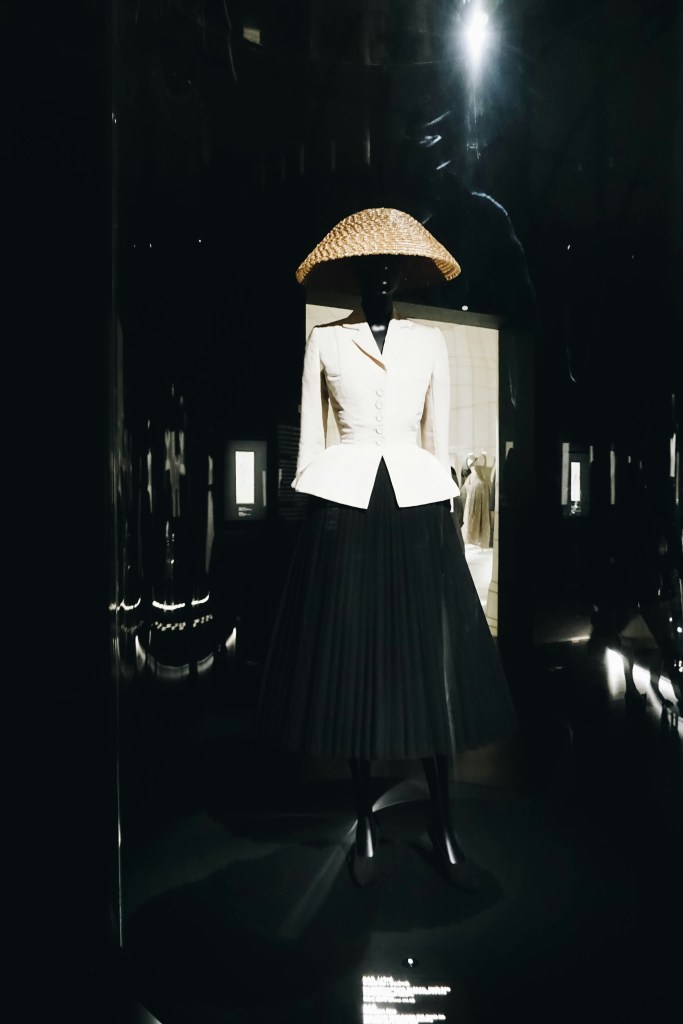
After World War II, Christian Dior unveiled the “New Look,” a collection defined by full skirts, cinched waists, and unapologetic femininity. It was opulent, indulgent, and entirely out of sync with the years of rationing that preceded it. But that was the point. The world was ready to dream again.
1990–1992: Recession and Grunge
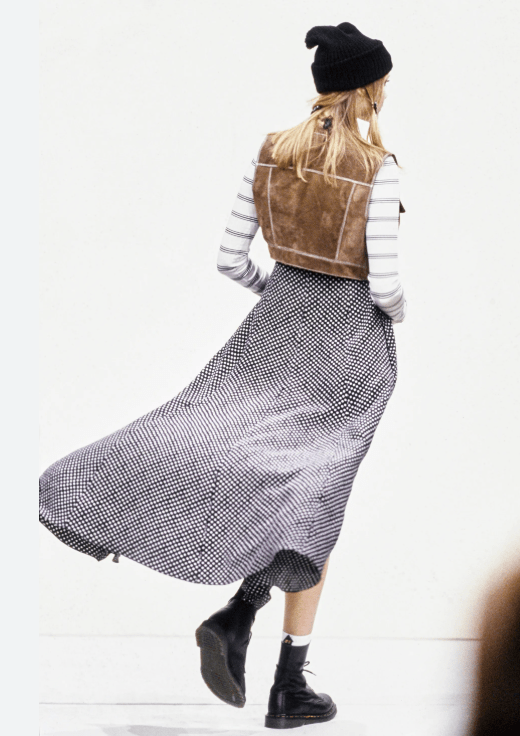
In the early 1990s, fashion rebelled once again. Grunge, born in Seattle and adopted on runways, became the aesthetic of disillusionment. Marc Jacobs’ Spring 1993 collection for Perry Ellis—filled with flannel, slip dresses, and combat boots—got him fired. But the look became iconic. It was raw, thrifted, and defiantly indifferent. A rejection of excess for a generation who couldn’t afford it anyway.
2025: What Now?
Fast-forward to today. Economic anxiety is rising again. Inflation, market jitters, and shifting job landscapes are starting to shape how we shop—and how we dress.
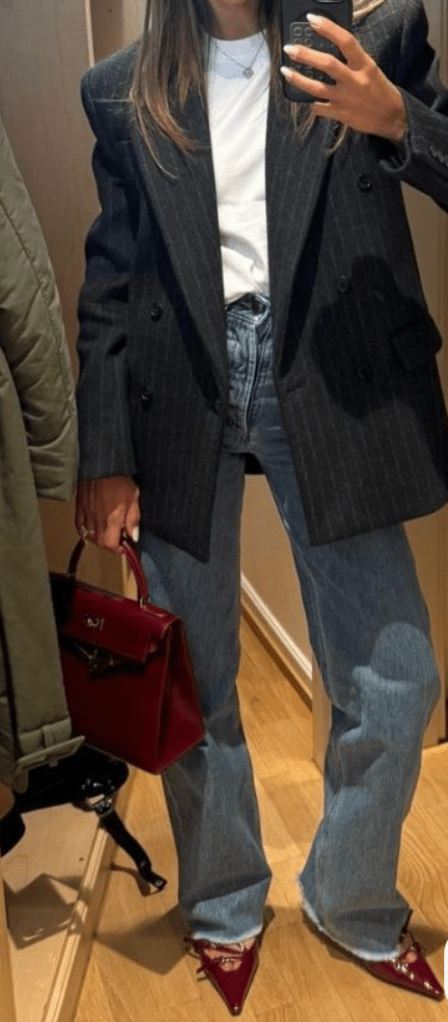
There’s a return to business casual, but it’s not the stiff, corporate kind. It’s flexible. It’s styled for both the office and the after-party. Oversized blazers are back, showing up on runways from Stella McCartney to Commission. Her Fall/Winter 2025 show was inspired by the idea of dressing “from laptop to lap dance,” merging power dressing with nightlife fluidity. At Bally, Simone Bellotti reworked peplums into sharp, wearable silhouettes with a twist. Even Diesel toned things down with sleek tailoring and minimalist coats.
On TikTok, the “office siren” trend is taking off. The aesthetic leans polished, intentional, a little sexy. It’s less about showing off and more about showing up—ready for anything.
A 2025 Business of Fashion trend forecast described it perfectly: “Versatility is not just a buzzword. It’s a financial strategy.” Clothes that can move through multiple spaces and survive multiple seasons are no longer a bonus. They’re a necessity.
The Real Takeaway
Fashion doesn’t predict recessions, but it always responds to them. What we wear in times of crisis says more about us than trends alone. Sometimes we simplify. Sometimes we escape. Other times, we rebel.
But in every case, fashion adapts. It adjusts to the economy, to emotion, to necessity. It reflects who we are in the moment, and how we want to feel in the face of uncertainty.
When the world tightens its belt, fashion doesn’t stop. It shifts. Not always in extravagance—but always in reflection.
Crash Couture: A Timeline of Economic Pressure and Style Response
2025 – Recession Anxiety Rising
Office sirens, multipurpose tailoring, business casual after dark. Practicality as power.
2020-2021 – Pandemic Recovery
Dopamine dressing, Valentino pink, emotional maximalism. Joy as a survival tactic.
2008 – Global Financial Crisis
Phoebe Philo’s Celine. Quiet luxury. Neutral tones. Investment dressing emerges.
1990-92 – The Grunge Recession
Marc Jacobs, Perry Ellis, and thrift-core. Flannel, boots, rebellion over polish.
1947 – Post-War Optimism
Dior’s “New Look” debuted: indulgent silhouettes, full skirts, femininity reborn.
1930s – The Great Depression
Satin gowns, Hollywood glamour, faux furs, Escapism reigned.
 The Fashion Economist